

Today’s newsletter is my January column in the LBM Journal magazine.
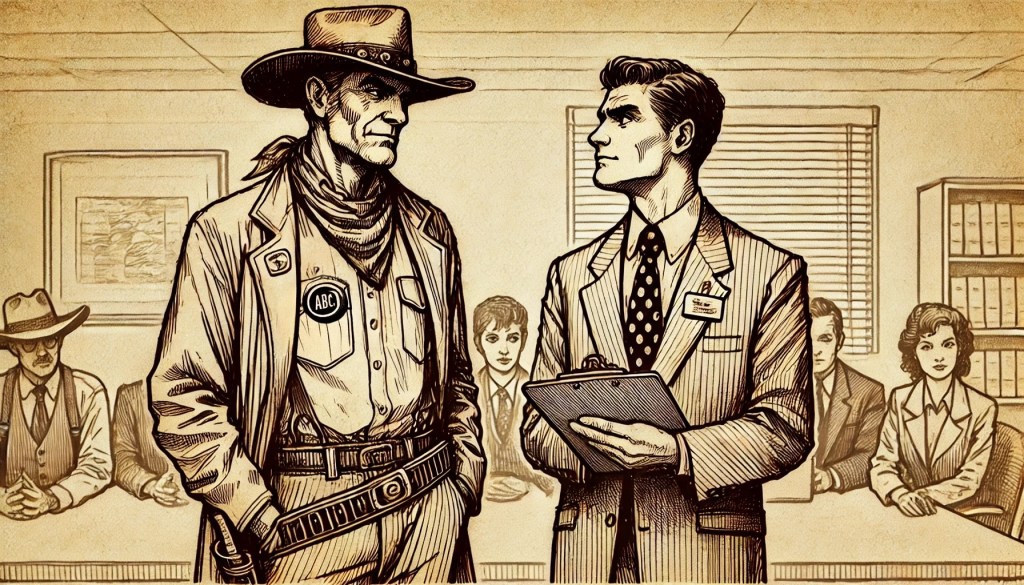
Jerry Jones isn’t a cowboy; he’s a salesman. He’s a dealmaker, a gambler, and a showman. He’s the only NFL owner with a weekly radio show—just one aspect of his omnichannel approach to staying in the spotlight. As he once put it: “The Cowboys are a soap opera 365 days a year. When it gets slow, I stir it up… That controversy is good.”
If that’s the scoreboard, Jerry Jones is winning. The Dallas Cowboys are the world’s most successful sales-and-marketing machine.
He’s also the only owner in major American sports who hired himself as General Manager. As a GM, Jones’ Cowboys are the only team in the NFC to have failed to make a conference championship game in the new century. Jones would have fired anyone else for such poor performance, but the truth is he’s too distracted to notice. His competing priorities—the oil-and-gas entrepreneur; the NFL owner; the NFL GM—are hard to miss. In October, Jones spoke to The Wall Street Journal about the value of natural gas: “There’s $100 billion present value with gas out there. That’s why I’m talking to you on the telephone rather than trying to fix our defense with the Dallas Cowboys.”
And that’s the point. Jerry is selling when he should be managing—just like many LBM sales managers who still sell on the side. It’s a recipe for underperformance.
Here are three reasons why.
1. Two Full-Time Jobs, One Person
Moment to moment, every salesperson allocates their time across four buckets:
- Selling: Putting themselves in a position to hear “no.”
- Account management: Maintaining existing customers.
- Customer service: Problem-solving.
- ATOS: All The Other Stuff.
This is where most sales reps fail, spending far too little time actually selling. But a sales manager who also sells must make all four choices for themselves—and for every rep they oversee.
Suppose sales are down. Should the manager start dialing for dollars? Or diagnose why reps are underperforming and coach them up? A dual-role leader risks becoming a distracted player and a mediocre coach. And if the sales manager isn’t coaching and holding reps accountable… who is?
Because if you’re out there pitching natural gas, you’re not fixing the defense.
2. Misaligned Incentives
When sales managers can sell, commissions (as they’re designed to do) nudge the managers toward selling. And calling on bourbon-drinking buddies is fun. These incentives keep managers thinking about “my accounts” instead of “my reps.”
Meanwhile, those reps wander around hungry for new ideas, coaching, and accountability.
Jerry can always justify selling because it grows the brand. But “growing the brand” and “building the roster” pull in different directions.
3. Mistrust & Cultural Friction
Externally, the customer is the hero. Internally, the roles should be equally clear: The sales rep is the Hero. The sales manager is the Guide.
When the guide also plays the hero, reps wonder:
- “Am I competing with my boss for leads?”
- “Is my boss removing roadblocks—or creating them?”
The result? Gossip, passive aggression, and a convenient alibi for poor performers: “I’m not hitting my numbers because I’m not getting any coaching!”
When Jones makes a big roster move, is he the GM with the long-term plan? The deal-loving CEO who craves drama? Or the radio-show host chasing storylines? Cowboys fans don’t always trust the answer—and your reps won’t either.
What LBM Leaders Should Do Instead
Separate the roles to eliminate conflict.
- Sales reps should focus on prospecting for new business, selling new product categories into existing accounts, and maintaining current lines of business.
- Sales managers should focus on coaching, skill development, and driving accountability.
If you’ve got a small team, don’t make the manager sell—give him or her oversight of talent in another department, be it Inside Sales, Warranty, or Credit. This preserves the managerial role without the backslide into a selling mindset.
What’s Your #1 Goal?
Is your goal to build the most valuable franchise in the world? If so, Jerry is succeeding. But what if the goal is winning a Super Bowl with an elite roster?
Dallas… we have a problem.
Jerry insists he can be both owner and GM, just like some LBM pros insist they can sell and manage. But if you want to build a team that wins new sales consistently in a soft market—intentionally taking market share one builder at a time—the smart money says sales managers should stop calling their own plays and start coaching the reps who actually run them.
Unless, of course, you want your organization to become a 365-day soap opera too.
Thanks for reading.
I’ll see you back here next Thursday.
Subscribe here to get the next edition of The Craft of LBM Sales straight to your inbox—weekly stories and practical advice to master the craft of selling.

The only podcast built for LBM sales reps.
The Craft of LBM Sales Podcast delivers practical sales coaching you can use immediately—anytime, anywhere.
Subscribe here:
Apple Podcasts | Spotify
Copyright © 2026
Bradley Hartmann & Co.
All rights reserved.

Contact Bradley Hartmann:
bradley@bradleyhartmannandco.com
 The Craft of LBM Sales